Trading
How to Start Trading at 16 in the USA: Accounts and Practice

Can you trade at 16?
In the US, some accounts let a 16-year-old invest with a parent or guardian involved. The account type determines who can place trades and which investments are allowed. A custodial account is managed by an adult for the minor. A teen-owned account can work differently: Fidelity Youth is for ages 13–17, requires a parent or guardian to open it, and lets the teen make investment decisions within its restrictions.
This guide covers US examples, checked September 10, 2026. If you live elsewhere, check your country's rules and the broker's eligibility requirements with a parent or guardian. Being able to open an account does not mean every kind of trading is available or appropriate.
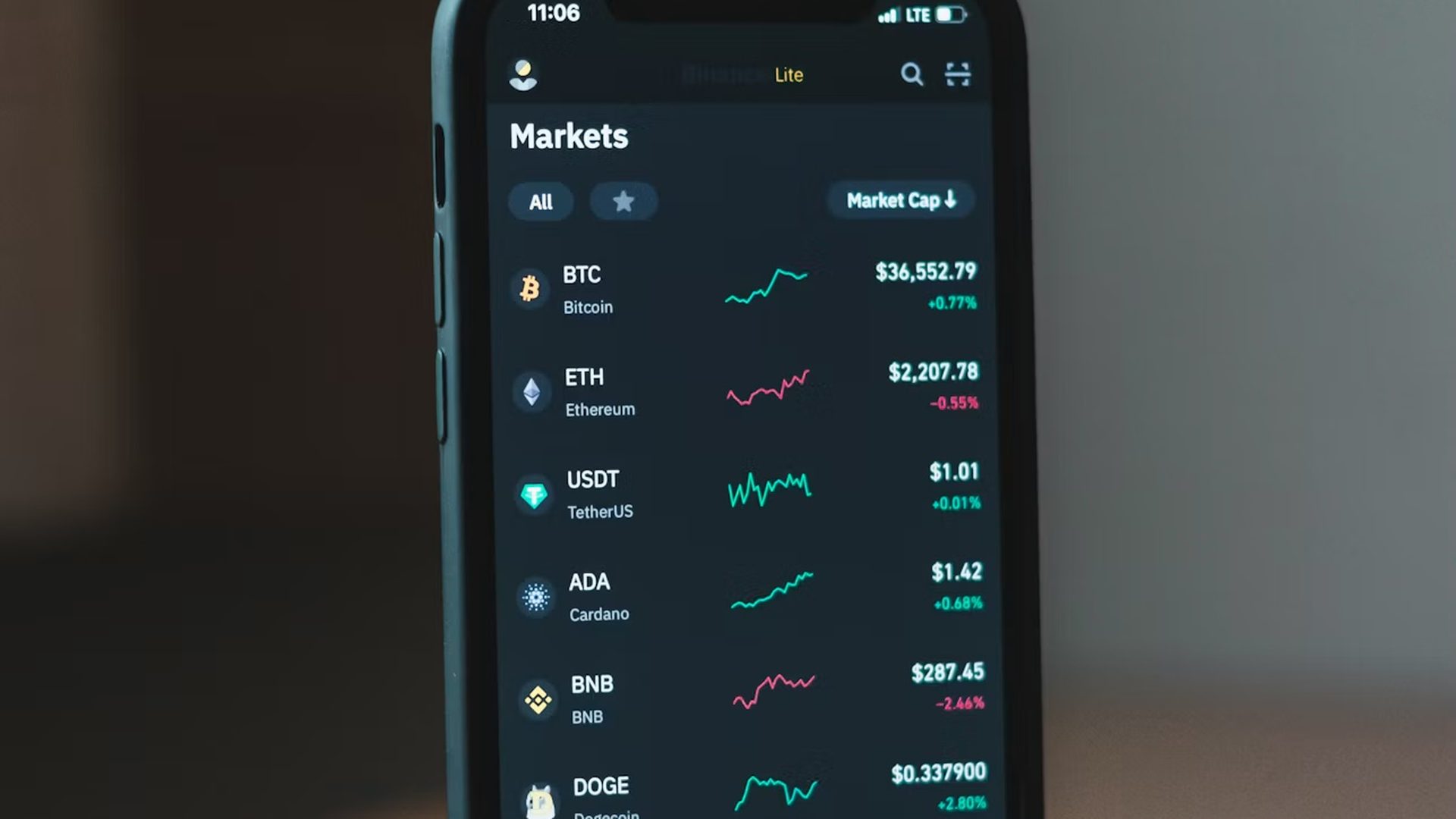
You have seen the screenshots: someone your age, a green day, a number that looks huge. A screenshot does not show the losses, costs, or risk behind it. Before putting money at risk, understand the account and learn how orders work. A routine can help you review your decisions; it cannot make an unprofitable strategy profitable.
Understand the account before choosing a platform
| Route | Who makes the decisions? | What to check |
|---|---|---|
| US custodial account, such as UGMA/UTMA | An adult custodian manages assets belonging to the minor | Transfer age, permitted investments, fees, and tax implications |
| Teen-owned account, such as Fidelity Youth | The teen makes decisions; a parent or guardian opens the account and has oversight | Age and residency eligibility, permitted investments, and trading restrictions |
| Paper trading | You practise with simulated funds | Simulator age requirements, market-data delays, and how fills and fees are simulated |
These are different arrangements. Fidelity's custodial-account explanation describes the adult's management role. Its Youth account FAQ says the teen-owned account does not allow options, margin trading, short selling, cryptocurrencies, or foreign currencies. Do not treat a stock account as permission to trade forex or every product shown online.
Ask the broker who is allowed to place orders in the specific account. Use the account's authorized setup rather than borrowing an adult's login. Opening times and eligibility vary; there is no universal promise that an account will be ready in a day.
Start with learning and simulated practice
Paper trading lets you practise entering orders and keeping records without risking real funds. Simulated results do not establish what you would earn with real money: execution, costs, liquidity, and your decisions under pressure can differ.
You do not have to move to real-money trading on a deadline. Learning about long-term investing with a parent or guardian is another option. FINRA explains that frequent trading brings costs and risk, and frequent trading on margin is generally unsuitable for people with limited resources or experience.
Keep money needed for school, living costs, or other commitments outside a trading experiment. Investment losses are possible even when you follow your plan.
A routine for a practice session
- Before: write the skill you are practising, the session end time, and the conditions under which you will stop. Learn the platform's order behaviour before using it.
- During: record what you did and why. If you feel an urge to increase risk just to recover a loss, stop adding trades and review your plan.
- At the end: review open positions and pending orders. Closing an app does not close a position or cancel an order.
- After: note which rules you followed, what you misunderstood, and one question to research before another session.
A stop order is not a guaranteed maximum loss. Once triggered, it becomes a market order, and its execution price can differ from the stop price. A stop-limit order can fail to execute. Read the SEC's explanation of stop orders.
Copy this practice journal
Use one entry per simulated trade. Keep the result visible, even when it is a loss.
Make the review easy to repeat
You can plan a learning session and reflect on it in MoreLife, or use a notebook. Record the work you completed and the decision you want to improve. MoreLife supports planning and check-ins; it does not place trades, monitor your brokerage balance, or enforce a financial loss limit.
For example, schedule a 20-minute block called “Learn order types and complete one paper-trading journal entry.” In your check-in, report whether you completed the entry and what confused you. This is a learning task, not a target to earn a certain amount. If school and other commitments keep crowding it out, use the school, gym, and business planning guide.
For the moment you want to win a loss back immediately, use the revenge-trading checklist. Judge the learning session by what you understood and recorded, while keeping the financial outcome visible. Following a routine does not predict next year's returns.
The short version
At 16, start by checking which account arrangements are available to you and what role an adult must play. Learn with simulated practice before deciding whether to risk money. Keep records, understand open positions and orders, and give yourself permission to stop. There is no deadline to become a trader.
You already know what you're supposed to do today.
MoreLife is the one that asks whether you did it.