Dropshipping
How to start dropshipping at 16: the setup, the money, and the part where everyone quits
You have watched enough of the videos. You know what a winning product looks like, you have a store name, you may even have the logo. What you haven't found is one straight answer to the question you actually typed: how do you actually do this at 16, and what does it really take?
Here it's, straight.
The setup
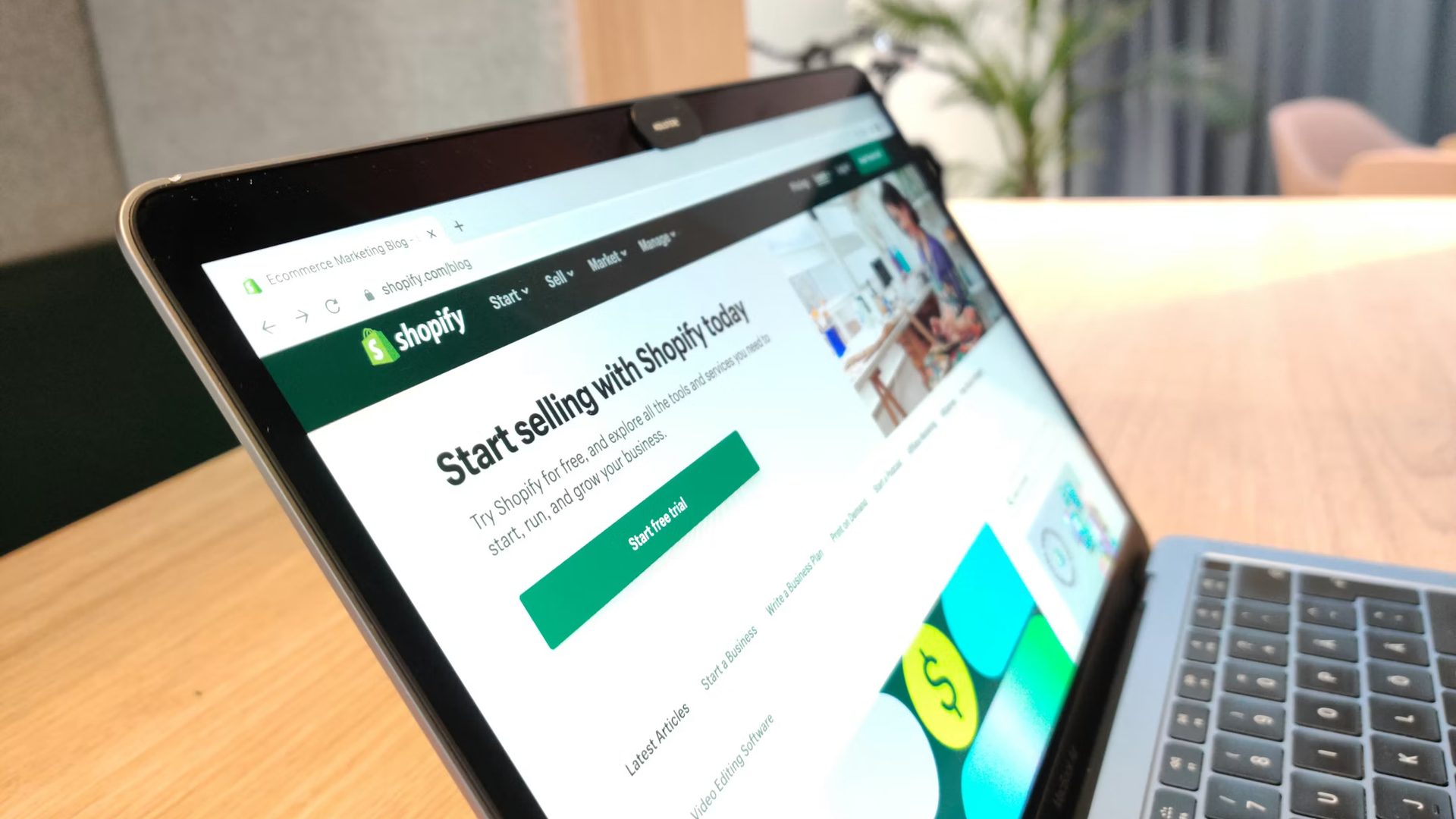
If you're new to the model, Shopify's own explainer is the clearest one: you list a product, a customer buys it, the supplier ships it, you keep the difference. You never hold stock.
The store itself is a weekend of work. Platform account, a domain, a payment processor, a theme, one product page. If any platform asks for an adult's name on the account, a parent's name on it takes one evening and changes nothing about who runs the business. Plenty of people ran the whole thing themselves before 18 and so can you.
The product page is where the weekend should actually go. Not into the logo. The page is what a stranger sees for eleven seconds before deciding, and the logo isn't.
The money
You'll read that you can start for free. You can build the store for free. Finding out whether it works is the part that costs, because it means paying for traffic and paying the supplier for orders before the platform pays you.
So the real number is two things added together:
- The amount you have decided you'll lose while learning.
- Enough to cover the first handful of orders before payouts arrive.
If you have that from a job, birthday money, or something you sold, you can start. If you would need to borrow it, wait. The first stretch is where money goes to teach you things, and borrowed money teaches you a different lesson.
Decide the losing amount in advance and treat it as already gone. It changes how you behave when it goes, which it'll.
What the first stretch actually looks like
Nobody tells you this part in order, so here it's in order.
- You set up the store. That takes a weekend and feels like progress.
- You pick a product, write the page, make a few creatives, and launch ads with real money.
- You get visitors and no sales.
- You change the price. Nothing. You change the product. One sale. Then nothing again for a while.
This isn't you failing. This is what the first stretch is for everyone, including the people whose videos you watched. The difference between them and the ones who quit isn't the product. It's that they kept doing the boring daily work through the stretch where there was nothing to show for it.

The daily work, when nothing is happening
Three blocks, set the night before, with times. Put them in MoreLife so they exist somewhere other than your head:
- Product and offer. One test at a time, so you know what changed.
- The store. Fix the page based on what people actually did on it, using your conversion numbers, not your feelings.
- Traffic. Ads, or content if you don't have ad money yet. Something that puts the page in front of new people today.
An hour on each is a real day. Two hours on one and none on the others is how a week disappears.
The schedule is the easy half. The hard half is that at 16 nobody around you understands what you're doing, there's no boss, no deadline, and nobody notices the week you stop. Including you. That's exactly the gap MoreLife fills: when the traffic block ends, it checks in, and if the block didn't happen it asks why. "I'll do it tomorrow" doesn't end the conversation, which is the whole point.
The short version
You can start at 16. The store is a weekend; budget what you can lose; then do the three blocks every day through the stretch where nothing comes back, because that stretch is the whole business. Set the blocks somewhere that will ask about them.
You already know what you're supposed to do today.
MoreLife is the one that asks whether you did it.