Trading
Day trading discipline rules for young traders: the five that survive a red week
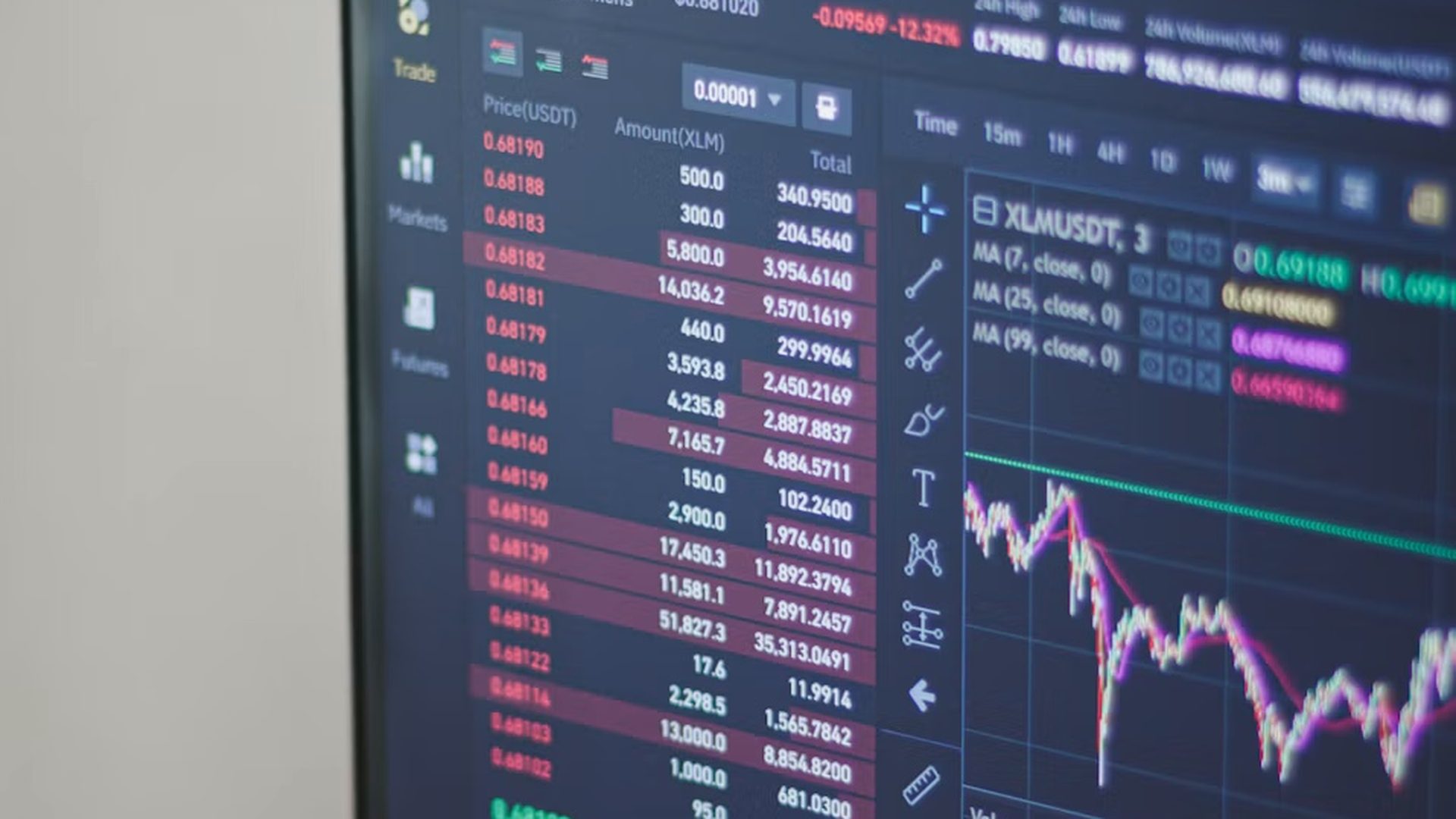
You have rules. Everybody does. They're in a note on your phone and they read well on a green day. The question is what they're worth on the fourth red day in a row, with money you earned at a job, in a room where nobody knows you're trading.
These five are the ones still standing at the end of that week. Not because they're clever. Because each one takes a decision away from the person you're on a red day.
1. The loss is written before the session, and it's the end
Pick a daily loss number before you open the platform, and when you hit it, you close the platform. Not after one more trade. When you hit it.
It has to be decided before the session, because the number you would pick after a loss is always higher than the one you would pick at breakfast. It has to be written down, because a rule that only lives in your head gets renegotiated the moment you're down. And the platform has to actually be closed, because "I'm just watching" is where the next trade comes from.
2. Two losses in a row, size halves for the day
The trade after two losses is the most dangerous trade you'll take, because it wants to be bigger. So make the rule do the opposite: half size for the rest of the day, no exceptions, no matter how good the setup looks. If the setup is that good, it'll be there tomorrow at full size with a clear head.
3. No setup, no trade, and boredom isn't a setup
Young traders lose more to boredom than to bad analysis. The market is open, you're at the screen, nothing matches your rules, and you take something anyway because sitting there feels like wasting the day.
On those days, sitting there's the job. Watching without trading is what you're being paid for, in the account you didn't lose. FINRA's day trading page puts it more formally, but it's the same sentence: if it doesn't match, it doesn't happen.

4. Every trade gets logged, especially the ones that broke a rule
The journal isn't for the good trades. It's for the one you took after the second loss at full size because you were sure. Instrument, size, reason, result, and one honest line on whether it matched the rules.
On a red week the journal is the only thing standing between you and the story you'll tell yourself about what happened. The story you tell yourself is always kinder than the log. If you keep the session as a block in MoreLife, the log becomes part of the check-in: the block ends, it asks, you write the line while it's still true.
5. The rules belong to someone else too
Here's the one that actually makes the other four work, and the one every young trader skips because it's uncomfortable.
A rule only you know about is a rule you can break in private, and you'll, because on the day it matters the rule is a sentence in a note and the loss is a feeling in your chest. Tell one person the daily loss number and the promise to stop. When you hit it, you send them a message. The message is the stop.
If there's no person, the app can be the witness. MoreLife holds the loss rule as a fact and the session as a block with a hard end, and when the block ends it asks whether you stopped at the number. It won't pick your trades. It asks the question at the moment you would rather nobody did, which is the entire job.
Why this is harder at 19 than at 40
At 19 the money in the account is most of the money you have, so every loss feels bigger than it's. Nobody is watching. And you haven't lost enough times yet to know that a red week is a normal thing that happens, not evidence that something is wrong with you. FINRA's basics on risk are dry and worth ten minutes. The five rules above are how you get to the age where you know all this, with an account still open.
You already know what you're supposed to do today.
MoreLife is the one that asks whether you did it.